 English
 Türkçe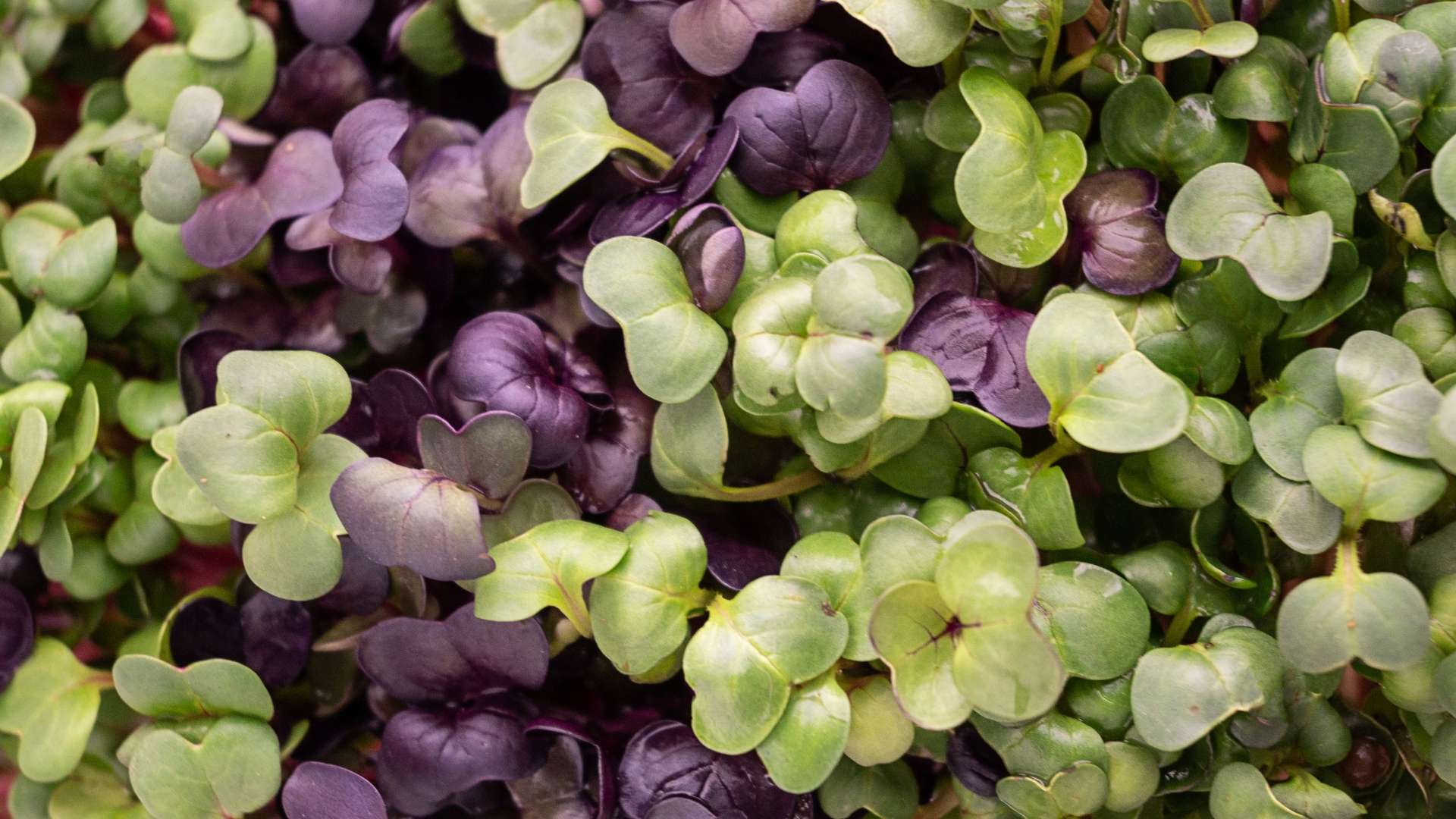
Microgreens: Health Benefits, Growing Tips, and Delicious Ways to Use Them
Tiny Greens, Massive Impact
Harvested just after the cotyledon stage, these young greens aren’t just a trendy side dish. They’re highly nutritious, easy to grow in small spaces, and versatile in the kitchen.
One in four people worldwide suffers from essential micronutrient deficiencies: As access to fresh food or supplements is limited, our quality of life is negatively impacted. Early-harvested microgreens from a variety of vegetables, grains, and herbs offer a rich nutrient profile that can address nutritional deficiencies.
In our previous blog post, we gave a step-by-step guide to microgreens for beginners and how to easily grow them at home. In this article, we’ll cover more specific health benefits, tips, and some superfood smoothie recipes.
What Are Microgreens?
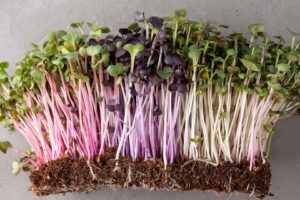
Microgreens are vegetable and plant seedlings harvested immediately after the first true leaves emerge. They are typically 7-14 days old and are rich in flavor, color, and nutrients. Common varieties include broccoli, kale, and pak choi, radishes and beets, mustard, and grains like wheat or buckwheat.
Microgreens have been shown to contain significantly higher concentrations of vitamins, minerals, and antioxidants than their mature counterparts. For example:
Broccoli microgreens are rich in sulforaphane, a powerful compound that supports detox and reduces inflammation.
Radish microgreens boost digestion and metabolism.
Pak choi and kale contain small but potent doses of calcium, iron, and vitamin C.
They support the immune and digestive system, skin and cellular health, and support hormonal and cardiovascular health.
How to Grow Microgreens at Home
The process of growing microgreens is straightforward and efficient, but there are several key considerations to take into account. There are growing media options such as soil, growing mats, cocopeat, agar agar, and hemp fiber, but not all seeds grow equally well in them. For example, peas, soybeans, and beets prefer soil deep enough to allow their roots to establish themselves. Small, fast-germinating seeds are also suitable for other growing media.
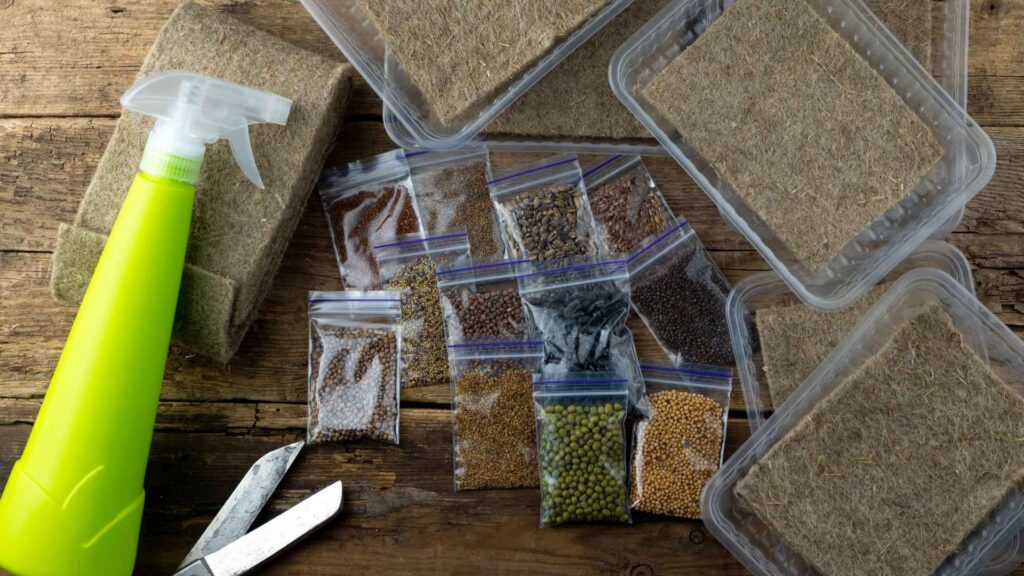
See the step-by-step microgreens planting and care in this blog post.
How to Eat Microgreens
Microgreens can be added fresh, uncooked, to a variety of menus: Add a spicy or sweet flavor, depending on the variety, to smoothies, breakfast cereal bowls, avocado bread, soup, stir-fry dishes, omelets, salads, or pesto. Stay tuned for more recipes!
We’ll soon dive deeper into each of the varieties we offer—starting with broccoli, radish, and pak choi—and explore:
- Nutritional highlights
- Growing tips and troubleshooting
- Creative recipes
You can also download our free beginner’s guide to growing and using microgreens below.

You may also like